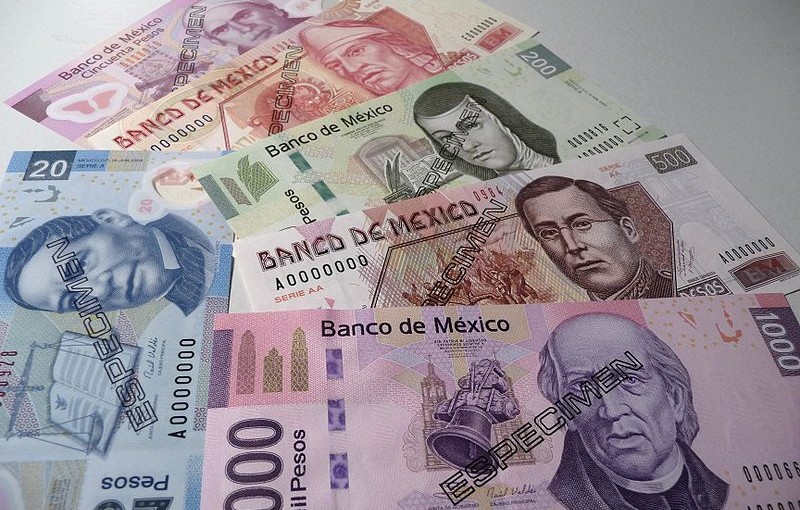

As bartering became more and more of a hassle, people started using money in their transactions. They still do that.
Historically, there were three types of “real” money:
–commodity money – e.g. seeds, cattle, gold coins
–commodity-backed money – e.g. gold certificates
–fiat money (or trust-backed money) – e.g. the dollar, the euro and any other modern currency
Yet as technology evolved, new types of money were issued – such as electronic money. Just like real money, electronic money has legal tender status. Virtual money is a subset of real money, but it has no legal tender status and no regulation.
Traditionally speaking, money has three functions:
– as a medium of exchange
-as a unit of account
-as a store of value
Virtual money has the first two functions, but it is disputable whether it stores any value because it tends to be volatile as you’ll see in the following lines.
As the Internet reached more and more homes, virtual communities with users from all around the world have formed, and just like in the real world, they developed their own currencies.
How does one get any of these virtual currencies? There are two ways:
1 buy it with real money
2 engage in specific activities or respond to certain promotions issued by the developers of that currency
According to the link to real money, there are three types of virtual currencies:
type 1 – closed virtual money – which can be bought with real money, but can be used in virtual spaces only – e.g. World of Warcraft Gold
type 2 – unidirectional flow virtual money – which can either be bought or sold back to real money- e.g. Facebook Credits, Nintendo Points, vouchers, coupons, points, some frequent flyer miles
type 3 – bidirectional flow virtual money – which can be exchanged on dedicated platforms just like any other real currency – e.g. Bitcoins, Linden dollars (from the Second Life online game)
Currently, the issuer of such virtual money is usually a non-financial company which can change the supply of money just like any government can. As these currencies will influence the real economy more and more, their issuers might be required to register as financial companies in the future.
Its advantage lies in the increase of transaction anonymity and cheaper transaction costs. For example, Bitcoins function on a peer-to-peer network similar to Bit Torrent and the software to be installed on the computer is open source, meaning anyone can have access to it – although not all users are able to understand it. This decentralized system is an exception, as most such currencies are issued by private companies.
Currently online assets do not matter when estimating the production of wealth per capita. What are the consequences? This kind of money is not taxed and there are no strict laws regarding virtual properties – like the ones sold and rented in Second Life.
What is your experience with these currencies? Did you ever use them? Do they store value on the long term? Since about a third of the population has Internet access, could these currencies be the start of more power to the individual?
Related articles
- Virtual currency getting real (voiceofrussia.com)
- ZeroHedge: Meet The New York Superintendant Who Can’t Wait To Regulate Bitcoin (silveristhenew.com)
- Bitcoin at Record, Senate Seeks to Discuss Virtual Money (bloomberg.com)
- Incredible bitcoin rally in China to meet ‘inevitable crash’: investor (wantchinatimes.com)
- The Rush to Coin Virtual Money With Real Value (dealbook.nytimes.com)
- New York State considers licensing Bitcoin traders (theverge.com)
- Brooklyn Businesses: Show Me The Virtual Money (newyork.cbslocal.com)