While extreme longevity and negligible senescence are generally the domain of plants and colonial animals, bivalves as a group rock the boat when it comes to long-lived non-colonial animals. But whether it’s because they live for so long – and research budgets are so low – or whether it’s because it’s too easy to default to what you already know – like testing aging hypotheses in fruit flies, worms and mice – bivalves are rarely used as biological models of aging. And yet not only is it more interesting to study creatures living in an aquarium than worms squiggling in a Petri dish, but the former are also able to archive their lifespan leaving no doubt about their age.
Before I delve into the 3 ways a bivalve is more likely to live a long life, here are the 3 lifespan record-breakers in this group:
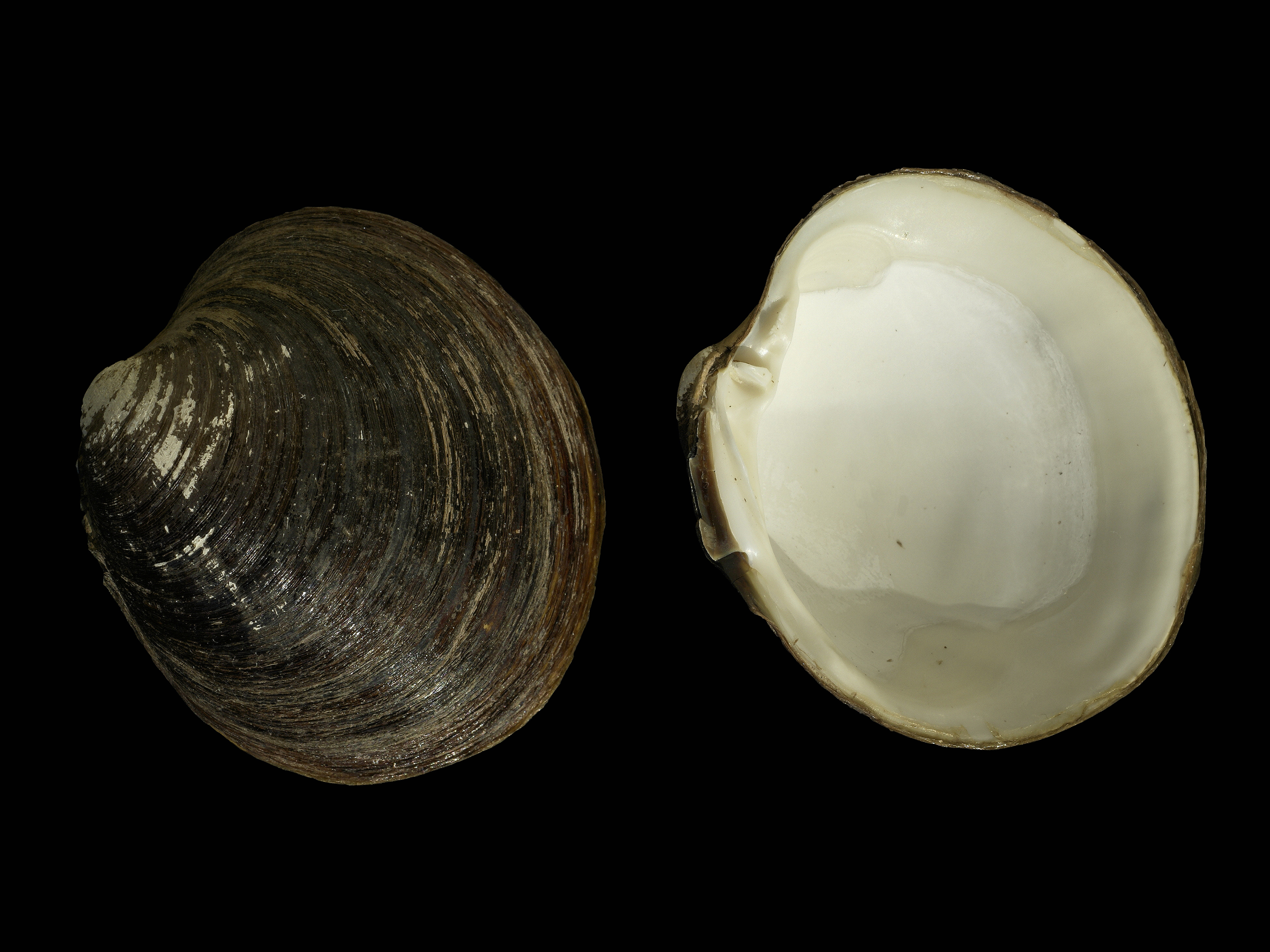
- The Arctica islandica ocean quahog clam with a maximum recorded lifespan of 507 years
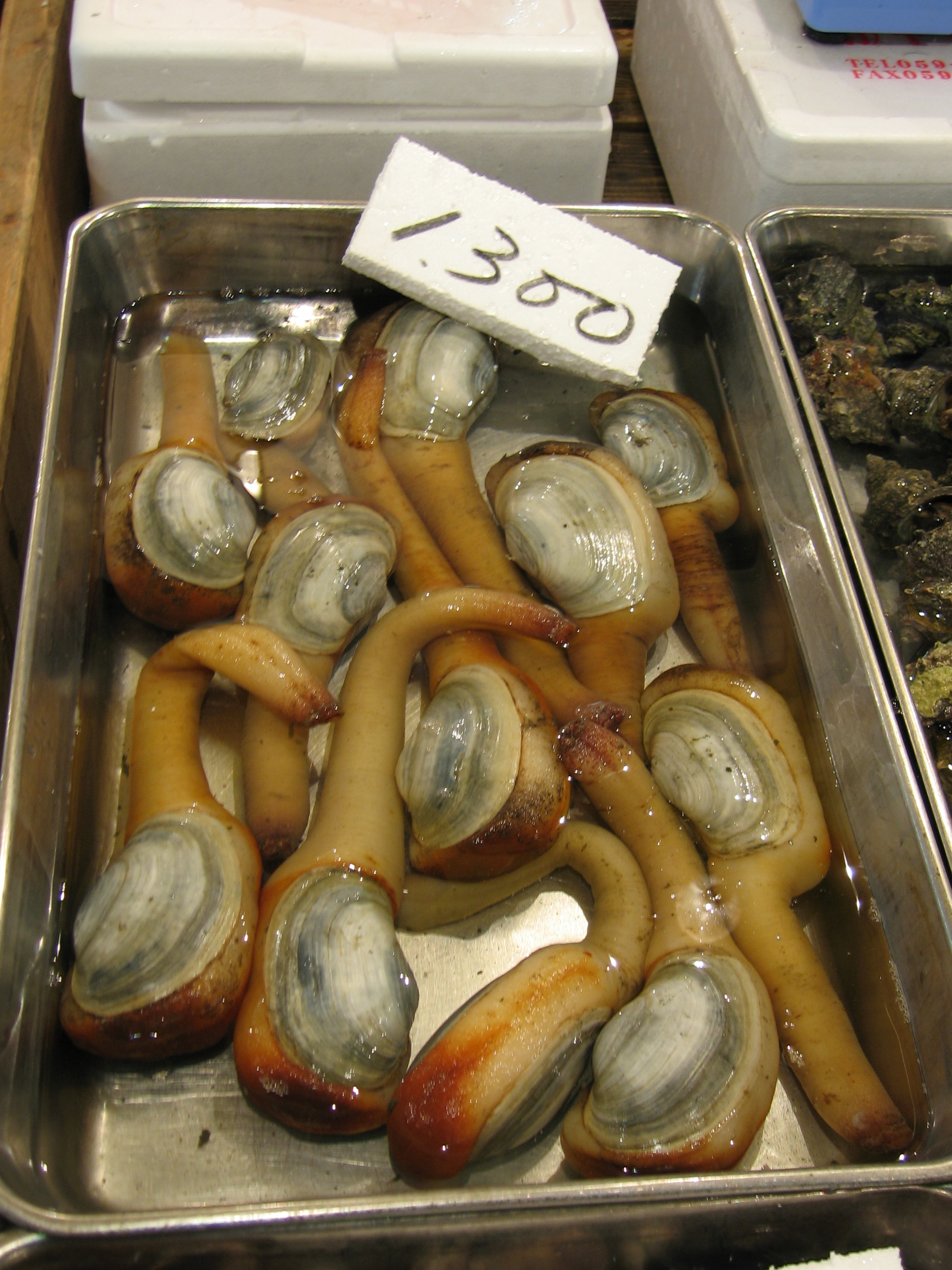
2. The Margaritifera margaritifera freshwater pearl mussel with a maximum recorded lifespan of 190 years

So here are the 3 cases in which bivalves are more likely to lead long lives. Or not.
A longer time to reach reproductive maturity
Did anyone ever tell you to enjoy your childhood because growing up is a trap? Well, that’s why! The longer the development, the longer the post-reproductive adult lifespan as well. This is the case with bivalves, but also with terrestrial vertebrates, mammals included.
A slower growth rate
This is no surprise and it matters even in species with indeterminate growth such as bivalves. The faster they continue to grow as adults, the shorter their lifespan is. Being poikilothermic, this is one reason for which you’ll find the longest-lived populations of bivalve species in freezing cold waters. The surrounding temperature doesn’t matter much in lifespan variation among endothermic birds and mammals, but just like in bivalves a faster postnatal growth rate is correlated with a shorter lifespan.
Not only that bivalves keep on growing as adults ’till the end of their lives, but at least in two species their gonad production never ceases. But whether individuals show signs of senescence or not, the risk of dying still increases the more one lives so these long-lived individuals being in lower numbers contribute less to the gene pool and natural selection still acts as usual.
A bigger shell
Unlike the other two factors, this matters less in making a bivalve live longer as these animals can decrease their risk of dying not only by having a large shell – and presumably, but not always, having a large body mass – but also by having a thick shell or by burrowing themselves in the mud as an additional protection layer to predators and temperature variations.
All these 3 cases were analyzed in an interesting paper gathering data from several bivalve species gathered in the wild and away from human populations. It is all too easy to view aging as the last stage of life, but in order to understand this complex phenomenon one must take into consideration the whole lifespan from cradle to grave and this is why I view studying aging in lots of different species as so important. Development and aging are two sides of the same coin.
And if this big-picture view is not enough, bivalves allow us an even bigger overview on development, life and aging. They may not have birth certificates, but they archive their lifespan as annual growth rings. In my tiny seashell collection, I never counted more than 40 growth rings on the surface of a clam. It doesn’t help either that I prefer to collect gastropod seashells instead of bivalve ones as the former are more sculptural and there are no lifespan record breakers among snails – at least none that I know of. But this lifespan archival has the potential to tell us how many years individuals from extinct species have lived. Could there be additional fossil species that broke even more records of longevity?
References
Ridgway, I. D., Richardson, C. A., & Austad, S. N. (2010). Maximum shell size, growth rate, and maturation age correlate with longevity in bivalve molluscs. Journals of Gerontology Series A: Biomedical Sciences and Medical Sciences, 66(2), 183-190.
Butler, P. G., Wanamaker, A. D., Scourse, J. D., Richardson, C. A., & Reynolds, D. J. (2013). Variability of marine climate on the North Icelandic Shelf in a 1357-year proxy archive based on growth increments in the bivalve Arctica islandica. Palaeogeography, Palaeoclimatology, Palaeoecology, 373, 141-151.
Strom, A., Francis, R. C., Mantua, N. J., Miles, E. L., & Peterson, D. L. (2004). North Pacific climate recorded in growth rings of geoduck clams: a new tool for paleoenvironmental reconstruction. Geophysical Research Letters, 31(6).
Orensanz, J. M., Hand, C. M., Parma, A. M., Valero, J., & Hilborn, R. (2004). Precaution in the harvest of Methuselah’s clams the difficulty of getting timely feedback from slow-paced dynamics. Canadian Journal of Fisheries and Aquatic Sciences, 61(8), 1355-1372.
Ziuganov, V., Miguel, E. S., Neves, R. J., Longa, A., Fernández, C., Amaro, R., … & Johnson, T. (2000). Life span variation of the freshwater pearl shell: a model species for testing longevity mechanisms in animals. AMBIO: A Journal of the Human Environment, 29(2), 102-105.
Magalhães, J. P. D., Costa, J., & Church, G. M. (2007). An analysis of the relationship between metabolism, developmental schedules, and longevity using phylogenetic independent contrasts. The Journals of Gerontology Series A: Biological Sciences and Medical Sciences, 62(2), 149-160.
Peterson, C. H. (1986). Quantitative allometry of gamete production by Mercenaria mercenaria into old age. Marine Ecology Progress Series, 93-97.
Galinou-Mitsoudi, S., & Sinis, A. I. (1994). Reproductive cycle and fecundity of the date mussel Lithophaga lithophaga (Bivalvia: Mytilidae). Journal of molluscan studies, 60(4), 371-385.

Anca Ioviţă is the author of Eat Less Live Longer: Your Practical Guide to Calorie Restriction with Optimal Nutrition ,The Aging Gap Between Species and What Is Your Legacy? 101Ways on Getting Started to Create and Build One available on Amazon and several other places. If you enjoyed this article, don’t forget to sign up to receive updates on longevity news and novel book projects!
Don’t miss out on the Pinterest board on calorie restriction with optimal nutrition where she pins new recipes every day.
https://www.pinterest.com/longevityletter/eat-less-live-longer/
Or the Comparative Gerontology Facebook Group where you can join the discussions on how species age at different speeds and what could be the mechanisms underlining these differences!
https://www.facebook.com/groups/683953735071847/
Very good article, Anca.
So bivalves have essentially the same kind of development program like most othe r animals, but they manage to live longer because their development rate is much smaller, which is because their metabolism is much slower, and which in turn is partly related to their poikilothermic nature and cold environment.
But what can we humans learn and apply from that? Choosing a more sedentary lifestyle in order to reduce energy needs and so metabolism? This is going g to be detrimental, because of that use it or lose it phenomenon acting in lots of aspects in our bodies.
Glad you liked the article!
Indeed, there is not much to adapt from poikilotherms for humans as we are endotherms so we regulate our temperature more tightly and we need to burn more calories. The only time when humans are poikilotherms is during REM sleep. I’m fascinated by these differences between poikilotherms and endotherms because there is a class of drugs used to decrease core basal temperature and I wonder whether long-term administering of these could mimic CR or increase lifespan. Being endothermic organisms means it’s not enough to vary our environment like living in a colder area. But many such drugs act centrally to decrease temperature in case of fever.
Those drugs to decrease the core basal temperature, do so by reducing the general metabolism? Won’t it mean that it will also decrease the general activity level? I.e, maybe live longer, but with slower motion/thinking etc? If so, doesn’t sound like any gain to me, except possibly getting to survive to times with better medicine available.
Those drugs are called antipyretics and they decrease fever by overriding hypothalamus regulation. Paracetamol is one of them and it doesn’t cause sleepiness or something like that. Again, this is only one hypothesis – it could be that such drugs may not increase lifespan in endothermic species at all and many of these drugs are used on a short term so I have no idea what are the consequences long term.
No worry, no reasonable person will rush to take such drugs just based on an idea.
But back to body temperature regulation: it’s a bit interesting how the hypothalamus does it’s job. What I noticed on myself is that if I force myself to not go to sleep for many hours (ex, half of the night), then I start feeling VERY cold. Eating more, or exercising hardly helps. But just go to bed, and even after 0.5 h sleep feel just fine (and it’s not because of the thick quilt or something: it’s thin, and it’s warm in the room).
I suspect that the hypothalamus (and/or other involved parts of the brain) gets tired and does not function properly…
Similarly, in the same acute-lack-of-sleep condition, I start feeling hungry, even if ate just 1 hour ago; can eat 2x and 3x beyond normal… (and next day feel as if I ate a pig.. and don’t feel hungry till noon or so).
I guess that again hypothalamus or whoever should be regulating appetite is gone to sleep without permission 🙂
What an unreliable hardware :))
I had to mention that not necessarily for you but for whoever reads this blog as my Facebook feed is full of young educated people who are interested in life extension and who are willing to take unprescribed medication for anti-aging purposes. I think that’s an unnecessary risk, even a high risk given their age.