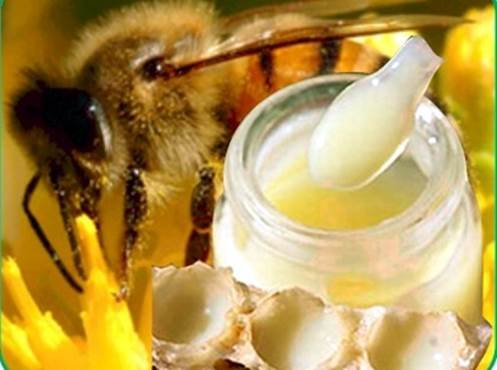
Ever since the discovery of the DNA molecule, researchers have been keen on separating the genetic influences on our development and diseases from the environmental ones. There were diseases you were born with and diseases you had because of an unfavorable environment, including here the so-called sinful diseases – those pathologies that are largely caused by vices and an improper lifestyle.
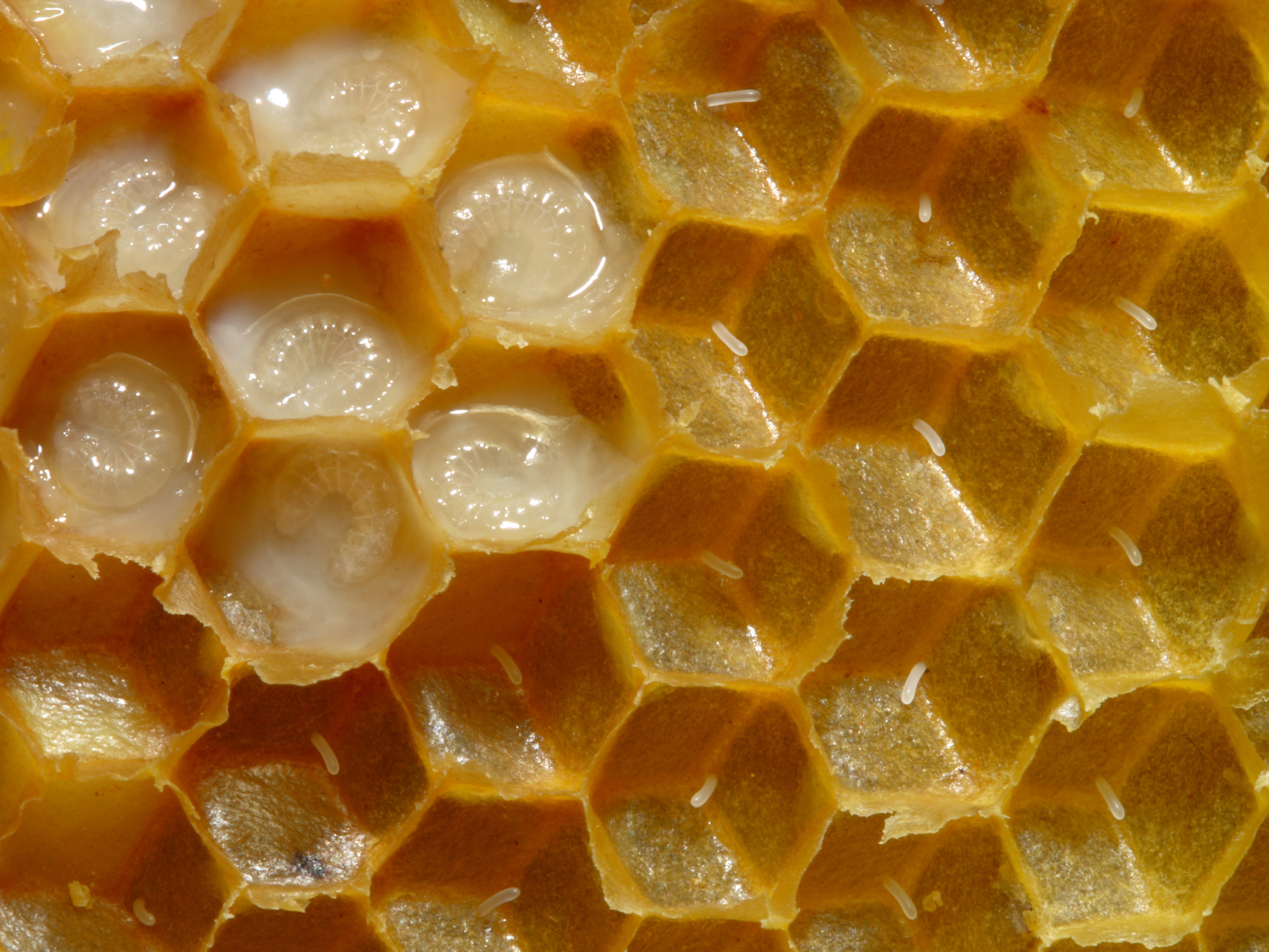
Human twins are a rarity today just like in the previous days, so studying them was difficult. At the same time, a huge number of twins were available for study right under the researchers’ noses: the common honey bees. All working bees in a honeycomb are half twin sisters and so is their queen. Through hormonal inhibition, the queen makes sure she is the only one laying eggs in the colony, usually about 2000 eggs per day. Some of these eggs will make up the new generation of working bees, while a new queen will be chosen from special larvae. The difference between them rests largely in their diet: all bee larvae are fed royal jelly during their three days of life, but only the larvae destined to be queens enjoy royal jelly for the rest of their lives!
When we look at their lifespan, despite starting out with identical maternal DNA, working bees survive a couple of weeks in the summer up to several months in the winter, while the queen lives for about 3-4 years! A new science was born: epigenetics – the influence of the environment on the genes themselves.Many such eusocial insects display this kind of differential lifespan between the queen and her workers.
Since then many books and dedicated journals were published on the topic; calorie restriction with optimized nutrition – the most reliable method of prolonging lifespan in many species including primates – is presumed to be a case example of epigenetics as well.
Starting from the initial observation that royal jelly caused such a huge difference in lifespan, apitherapy – the alternative medicine using honey bee products for healing – made this ingredient more popular among the people.
Royal jelly was not proved to prolong lifespan in humans and if you know of any study that contradicts this, please leave a comment below.
Still royal jelly is a nutritional wonder – a whole colony is fed with this complex substance only, besides honey and bee pollen. If you’re thinking about including royal jelly as a dietary supplement then use it as raw as possible. This means buying the lyophilized one and administering it sublingually for by-passing the digestive system. This way you’ll allow the hormones and enzymes naturally present in the royal jelly to directly reach the sublingual capillaries and from there the whole blood circulation. Do NOT use royal jelly if you have any history of allergies, especially to pollen and bee stings, especially the sublingual manner, as the substance is very allergenic per se.
Local folklore says that beekeepers live long lives and they regularly feed on royal jelly – these are just anecdotes, so if you include royal jelly in your diet include it as a dietary supplement only!
P.S. I am using a local lyophilized type from Bucharest – here is the link to the online shop. It’s about $7-8 per 10 ampullae, each being taken in the morning. I prefer to use about 2-3 sets per year, especially during the winter when nutrition is scarcer. If you ever tried royal jelly please leave a comment below!
If you enjoyed this article, sign up to receive more useful posts in your mailbox in order to enjoy your life and your autonomy for as many years as possible!
Share the article with your friends and stay tuned as I am preparing a book release on adopting calorie restriction without feeling deprived!

Reblogged this on Connors Combs.
I’m interested to read that royal jelly shouldn’t be taken if you have any history of allergies. I was once recommended to take royal jelly to help with my hay fever allergy. I didn’t end up taking it as I recall reading a number of possible side effects that discouraged me.
What kind of benefits do you get from using royal jelly? I’ve heard it has similar properties to ginseng. Have you ever had any negative side effects?
I’m with you here – I have plenty of allergies and I always advise people to see an allergologist, the medical specialist physician who has expertise in diagnosing and treating allergies. Allergies are one of the few diseases where modern medicine has options! For example, there is medication for acute symptoms and there are desensitization vaccines which must be administered under the supervision of a physician.
Telling you all these, I am not allergic to any type of pollen, so I use royal jelly every year. I add pollen instead of sugar to my smoothies too. Of course. I always have emergency medication available and an allergy can be experienced de novo at ANY substance.
I mainly take royal jelly as a general tonic, especially during early spring when it’s more difficult to get enough vitamins. I use spirulin tablets for the same reason. It’s not coffee-like, but it does make me feel more energetic.