I was a college student when I first stumbled upon the “Ending Aging” book by Dr. Aubrey de Grey. I read that book cover to cover but I never got highly enthusiastic about SENS since there were important details which didn’t make sense. The types of damage that humans incur as they age are excellently…… Continue reading How to play with evolution in the lab to create longer-lived animals
Tag: science
Why is the Greenland shark the longest living vertebrate?
When I wrote ‘The aging gap between species’, the longest living vertebrate was the bowhead whale at 211 years old. The latter still holds the record for the longest living mammal, but these days the vertebrate record is held by the Greenland shark at 392 years. Determining age in bony fish is done by counting…… Continue reading Why is the Greenland shark the longest living vertebrate?
Longevity and the Compound Effect
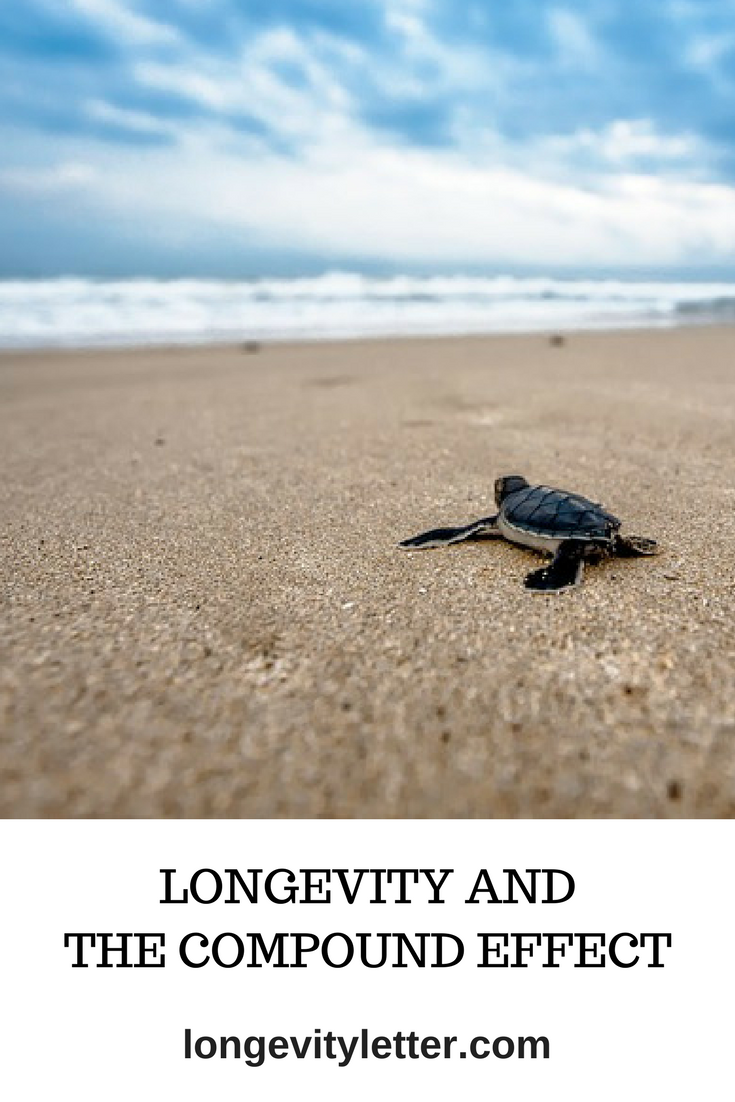
Rome wasn’t built in a day and neither is longevity attained overnight. A few years ago I read about the compound effect: it’s this idea that baby steps done regularly lead to extraordinary results on the long term. Exponential growth is very hard for humans to wrap their minds around. Linear growth is so much…… Continue reading Longevity and the Compound Effect
How temperature switches aging on and off in hydra animals

The short story is this: you can place two species of hydra animals in the same environment at a temperature of 10 degrees Celsius. One will age (Hydra oligactis) and the other one won’t (Hydra vulgaris). Now here are the details. Hydras are primitive multicelullar animals. When well-fed, they reproduce asexually by budding. But when…… Continue reading How temperature switches aging on and off in hydra animals