Ever since the cellular clock called telomerase was discovered, it was hailed as the next big thing in anti-aging research. And the science world has been divided in two. One side evoked unlimited cell regeneration that might make degenerative diseases a memory of the past. The other side cautioned us that cancer cells unlock telomerase to make themselves immortal while hastening our own death. So where lies the truth? This is exactly what you’ll find out in these 8 frequently asked questions on telomeres, telomerase and aging. Read on.
Q: What exactly is telomerase?
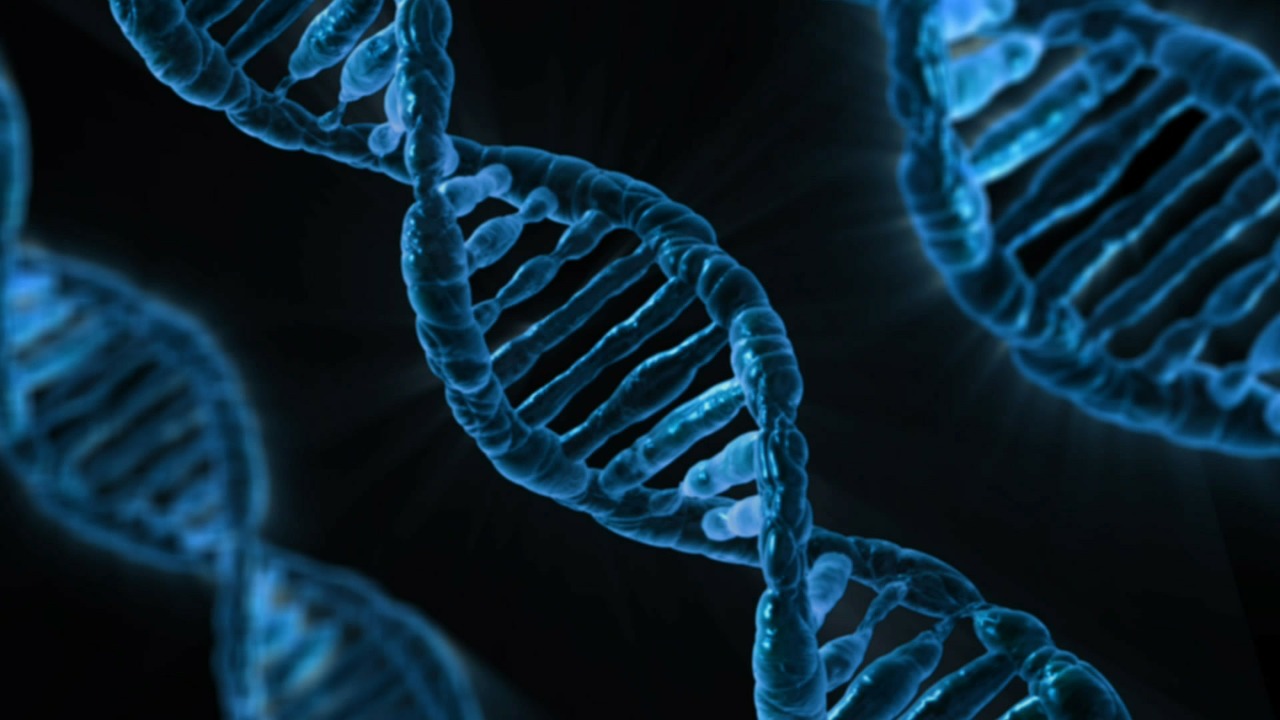
A: Let’s start with what telomeres are: repeated units ending linear (eukaryotic) chromosomes. They are normally deleted with each cell division. Once the cell reaches the maximum number of divisions (also called the Hayflick limit), it remains in this state for some time and then dies.
Some cells do not like being limited and they add back their telomere units with the help of an enzyme called telomerase. This way, telomere length stays the same despite repeated cell divisions. Which brings us to the next question.
Q: Do all cells express telomerase?
A: No, they don’t. When it comes to humans, telomerase is expressed in cells that are needed for development – germ cells during replication and embryo cells – or regeneration – stem cells. Cancer cells use telomerase as well. All the other cells are inhibited from expressing it.
Before we move even further, let’s stop for a moment and clear something up: not all cells – normal or not – use telomerase expression to keep on dividing. More to the point, some cells are able to add back telomeric units with the help of ALT or the alternative lengthening of telomeres.
Telomerase is not equally expressed during the life cycle of an organism, of its tissues or of its cells. Telomerase peaks in proliferative tissues and it is downregulated in postmitotic ones. Even in colonial animals like the Botryllus schlosseri golden star tunicate, telomerase peaks in bud rudiments and further decreases in its zooids. In other words, telomerase activity peaks in progenitor and stem cells and it is downregulated during differentiation. Telomerase is highly expressed in cells which actively divide and it is downregulated during quiescence.
Telomerase differences exist between growth patterns as well. Mammals grow only during the embryonic and juvenile stages. They exhibit determinate growth. On the other hand, species with indeterminate growth often express telomerase in their somatic cells. They grow throughout their lives and often exhibit very slow senescence.
And when it comes to plants, the latter have two types of tissues:
- telomerase positive meristematic tissues which form roots, rhizomes and shoots
- telomerase negative non-dividing cells which form leaves and axillary buds
Q: But do all species inhibit telomerase in their adult somatic cells?
A: The short answer is no.
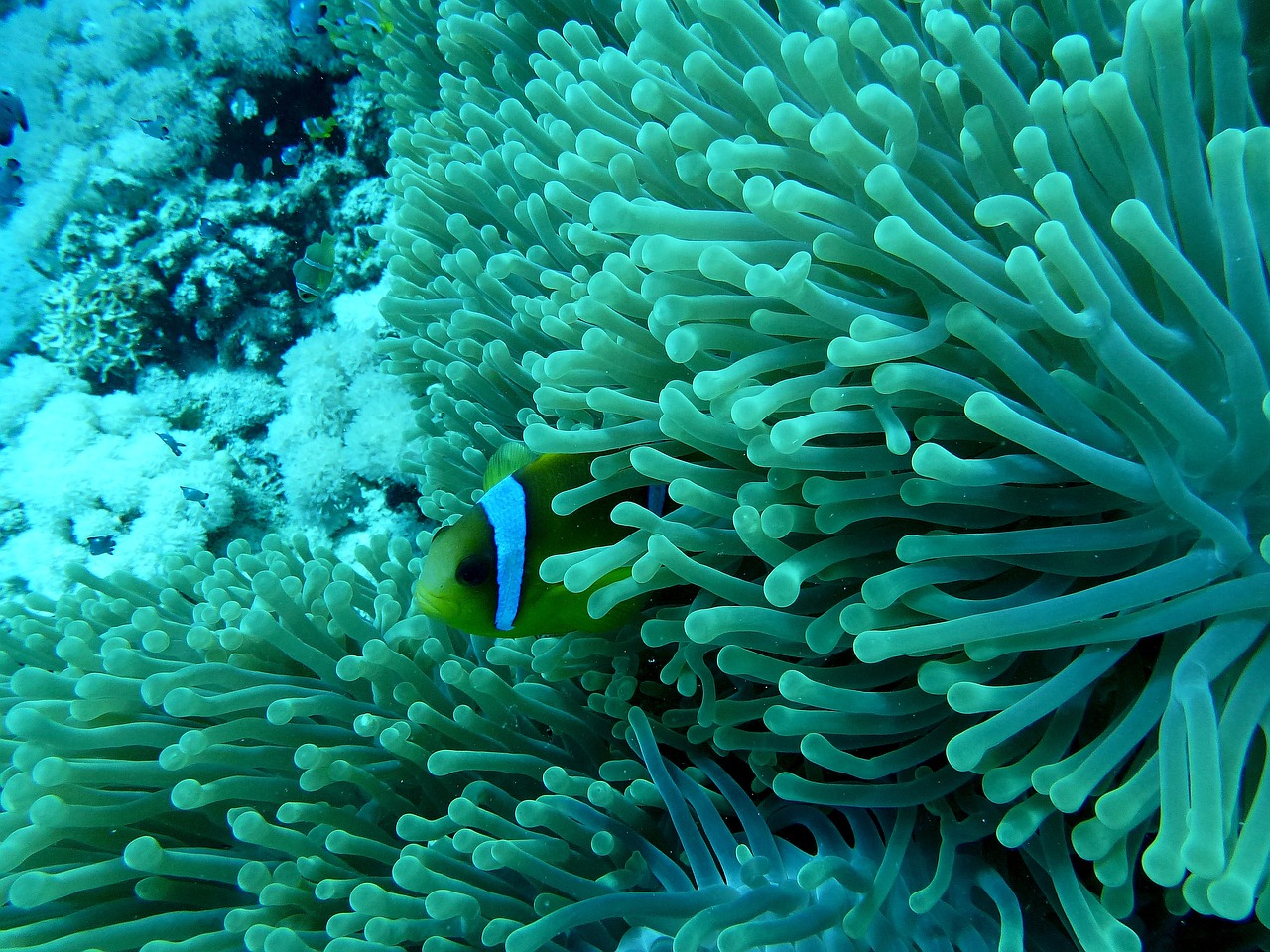
Poikilotherms – or cold-blooded animals – like invertebrates, fish, amphibians and reptiles persistently express telomerase in adult somatic tissues. This could have an impact on their regeneration abilities. Temperature increases metabolism, hence it may increase cancer mutation rates and endotherms do have higher metabolic rates than poikilotherms. This could be the reason for which endotherms – or warm-blooded animals – like birds and mammals supress telomerase in their adult somatic tissues as a cancer-protection mechanism.
Q: Which are the telomeric parameters that modulate long lifespans?
A:There are a set of important parameters to study in long-lived species:
- telomere length, usually measured in kb or kilo base pairs, and the way telomere length varies among individuals of the same species and between different species
- the variability of telomeres with age – whether they shorten, maintain or elongate with age
- telomeric DNA as a percentage of total DNA
- the ratio between telomerase expression and ALT or alternative lengthening of telomeres as both are strategies to maintain or elongate telomeres during cell division
- when and where is telomerase expressed – which tissues and which cell cycle stages need the activation of telomerase
- how do all these influence the rate of senescence, the cancer rate and the average and maximum lifespan of species
Q: How does absolute telomere length influence lifespan?
A: Generally speaking, telomere length is indirectly proportional to lifespan. In other words, short telomeres are associated with long lifespans and viceversa.
We’ll start by examining the telomere length of humans, then rodents, sea urchins and turtles. The first two examples are gradual senescence species while the latter display negligible senescence signs.
The length of human telomeres is 10-15 kb.
Unlike humans, rodents have extremely long telomeres of 25-150 kb which don’t decrease with age. Rodents have a much higher cancer rate than humans. Rodents usually have telomeres that are longer than 30kb and telomerase activity seems to inversely correlate with body mass. In other words, larger rodents express less telomerase. And when it comes to rodents, there is no correlation between telomere length with size or lifespan. But let’s go further to negligible senescence species and how they fare about telomere length.
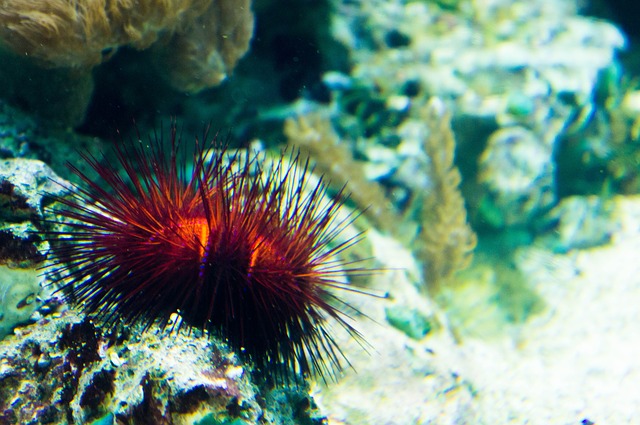
In sea urchins at least, long-lived species like Strongylocentrotus franciscanus and medium-lived ones like Strongylocentrotus purpuratus have short telomere lengths of around 5 kb, while short-lived species like Lytechinus variegatus have long telomeres of around 20 kb. Nevertheless, no telomere shortening takes place in any of these three examples.
And the telomere length of the Chrysemys picta painted turtle is over 60 kb. Apparently, this length and its subsequent growth rate is maintained with age. The related Emys orbicularis European freshwater turtle doesn’t show any signs of senescence according to current knowledge. The latter maintains its 20 kb telomeres constant with age.
Q: Does the precise telomeric sequence vary among species?
A: Yes, major groups of animal species contain different telomeric sequences as follows.
The ‘vertebrate’ (TTAGGG)n telomeric repeat sequence is common in most multicellular organisms, including:
- humans
- invertebrate lower metazoans including sponges, corals, jellyfish, comb jellies and Placozoa
- Bilateria invertebrates like flat worms, velvet worms, most ringed worms, mollusks, echinoderms and tunicates.
- vertebrates including fish, amphibians, reptiles, birds
Exceptions include roundworms and arthropods. The nematode telomere motif is (TTAGGC)n, while the arthropod telomere motif is (TTAGG)n. Beetles lost the arthropod telomere motif and likely employ alternative lengthening of telomere elongation.
Q: Does telomerase cause cancer?
A: According to the telomere loss theory, telomere shortening leads to the aging of cells and that of the whole organism and presumably, this phenomenon evolved to protect us from cells replicating to their heart’s content and giving us cancer in exchange.
Telomeres shorten with age and that leads to replicative senescence. Making these somatic cells express telomerase is desirable for allaying many degenerative processes, but the greatest fear is that such a process may lead to the onset of cancer.
Here are two reasons for which this is an unfounded fear:
- telomerase is expressed in the embryonic cells and germ cells of several organisms undergoing senescence. Besides, it is expressed in the somatic cells of species with indeterminate growth and/or vegetative reproduction. Apparently, such cells and organisms do not undergo malignant transformation at a higher rate than expected according to the telomere loss theory.
- shorter telomeres lead to genomic instability which may be the main risk factor of developing cancer. A rarity in children, cancer runs rampant with age precisely when telomeres are shorter, instead of longer.
Q: Does telomerase increase lifespan?
A: Not exactly. Telomerase expression seems to correlate with the regenerative potential of a species or at least that of its germ and stem cells and not so much with its maximum lifespan.
In one experiment, telomerase was inserted in adult and old mice with the help of a viral vector. A life extension of 24 % in the adults and 13 % in the elderly was achieved. And compared to controls, the treated mice did not develop cancer at a higher rate.
But several species express telomerase in their somatic cells – when indeterminate growth and/or vegetative reproduction is at play – and yet, several cases of aging can be encountered in there as well.
In another experiment – previously cited as well – 3 species of sea urchins express telomerase in their cells and yet, their wildly differing lifespans include:
- 3-4 years in the case of the Lytechinus variegatus sea urchin
- more than 50 years in the case of the Strongylocentrotus purpuratus purple sea urchin
- more than 100 years in the case of the Strongylocentrotus franciscanus red sea urchin
Telomerase is present in the early and adult stages of all these sea urchins and their telomere lengths show no age-related shortening. So telomere length is not the mechanism underlying their lifespan differences. And there is no difference in oxidative damage between them. All of the previously mentioned sea urchins maintain regeneration abilities with age. Go figure. Can you solve this puzzle? Can you explain why do these types of urchins have wildly different lifespans when they start out with all the cards in their favor? I’d love to hear from you in a comment!
To wrap things up, I view telomerase insertion in somatic cells as paving the way for regenerative medicine to do wonders in acute and chronic diseases of the aged, but I doubt it could impact human lifespan other than by alleviating what can’t be alleviated today.
Cited studies include:
Francis, N., T. Gregg, R. Owen, T. Ebert, and A. Bodnar. “Lack of Age-associated Telomere Shortening in Long- and Short-lived Species of Sea Urchins.” FEBS Letters580, no. 19 (August 2006): 4713-7. doi:10.1016/j.febslet.2006.07.049
Gomes, N. M., J. W. Shay, and W. E. Wright. “Telomere Biology in Metazoa.” FEBS Lett 584, no. 17 (September 2010): 3741-3751. doi:10.1016/j.febslet.2010.07.031.
De Jesus, B., E. Vera, K. Schneeberger, AM Tejera, E. Ayuso, F. Bosch, and MA Blasco. “Telomerase gene therapy in adult and old mice delays aging and increases longevity without increasing cancer.” EMBO Mol Med 4, no. 8 (August 2012): 691-704. doi:10.1002/emmm.201200245.
Note: this blog post includes excerpts from ‘The aging gap between species‘ book.
Anca Ioviţă is the author of Eat Less Live Longer: Your Practical Guide to Calorie Restriction with Optimal Nutrition ,The Aging Gap Between Species and What Is Your Legacy? 101Ways on Getting Started to Create and Build One available on Amazon and several other places. If you enjoyed this article, don’t forget to sign up to receive updates on longevity news and novel book projects!
Don’t miss out on the Pinterest board on calorie restriction with optimal nutrition where she pins new recipes every day.
https://www.pinterest.com/longevityletter/eat-less-live-longer/
Or the Comparative Gerontology Facebook Group where you can join the discussions on how species age at different speeds and what could be the mechanisms underlining these differences!
https://www.facebook.com/groups/683953735071847/


“In one experiment, telomerase was inserted in adult and old mice with the help of a viral vector. A life extension of 24 % in the adults and 13 % in the elderly was achieved. And compared to controls, the treated mice did not develop cancer at a higher rate.”
— then why don’t they just continue such experiments? and continue testing for safety and efficacy in other mamals.
Other than that, what this article tells me is that telomere length and telomerase are but 2 extremely small pieces in the huge puzzle of biology of aging. It’s like a drop in the bucket (even worse). Last time I checked, there are hundreds of theories of aging out there.
Aging is a puzzle BEYOND HUMAN ability. To solve it (I mean as a puzzle, that is understanding all causes and effects etc), would mean solving the entire biology of an organism (aging is interlinked /interdependent with most if not all other biological processes, from mollecules to systems of organs and social interactions).
You (and any human, even 1000 humans) can’t do that. Leave that to Artificial General Intelligence and times when we’ll have more time for it…
I think, what’s reasonable to try is just pick up some “low hanging fruits” and test them (test and test and test… mainly brute force and and a bit of guestimation of what to try next) . Be it telomerase or other enzime, senolytics, or immune system genetic modification, or ..many other ideas, especially as nature solved aging in many species, as you noticed.
But not seeking to understand the full picture.
For the moment, people are better at seeing the big picture and robots are better at details and grunt work. But too many researchers focus on incremental details (which are publishable and grant-friendly) rather than general theories.
Either way, I can’t wait for AGI to pick up the task of solving aging because there are a million other things this polymath wants to do in her life 🙂