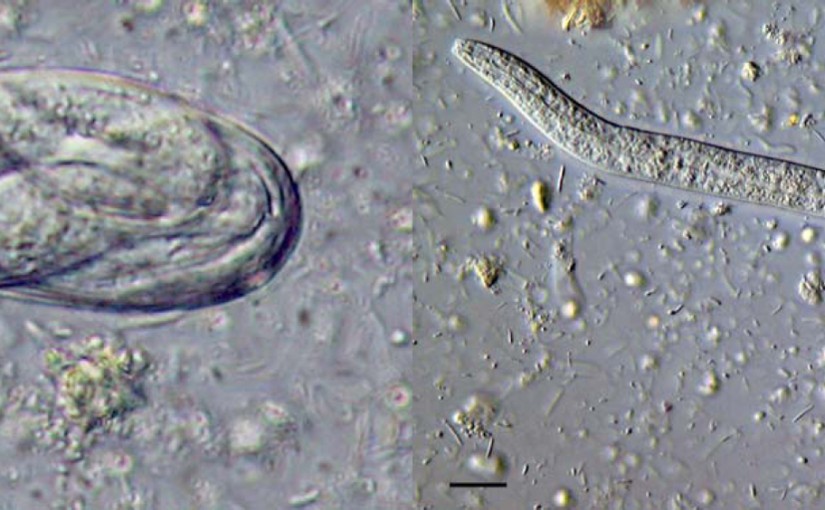
Some of the most amazing things happen in nature just before our eyes if we take a moment to notice them. Rats are disgusting creatures we avoid – yet inside their intestines a parasite worm called Strongyloides ratti can be found. This worm is able to live both as a parasite and as a free-living…… Continue reading Same genes, 80-times lifespan difference – who is it?
Tag: longevityletter
How to engineer negligible senescence in humans – part VII OncoSENS

What is the number one disease killing our elders besides heart disease? Cancer. A dreadful word that conjures all sorts of evil things, cancer runs rampant as we age. What do all cancers have in common? They start from one (or several) nuclear mutation(s). In the case of lifestyle non-inherited cancers the disease…… Continue reading How to engineer negligible senescence in humans – part VII OncoSENS
How to engineer negligible senescence in humans – part VI RepleniSENS

After a couple of previous articles we reached part VI – the most important of all (in my opinion) because a cell that divides itself in two also dilutes its original damage as well. Having a fresh supply of somatic cells derived from our own DNA would largely correct many of geriatrics diseases. Let’s find…… Continue reading How to engineer negligible senescence in humans – part VI RepleniSENS
How to engineer negligible senescence in humans – part V ApoptoSENS

Where does aging start? There is something inside us that makes us frailer as we count more years – in the beginning we will feel more tired, afterwards we may see our first wrinkles and our graying hair. What’s going on? Where does this time bomb start? Which is the first to age: the body…… Continue reading How to engineer negligible senescence in humans – part V ApoptoSENS