
There is no coincidence that cancer is more frequent as we age. And it is also no coincidence that many anti-aging therapies destined for rejuvenation could allow unleashed growth to take place and cause cancer. Hence my interest in those species which despite an abundant capability to regenerate their damaged tissues, show no increased rate…… Continue reading How to avoid the adverse reactions of senolytics through better design
Tag: strategies for engineered negligible senescence
How to engineer negligible senescence in humans – part VI RepleniSENS

After a couple of previous articles we reached part VI – the most important of all (in my opinion) because a cell that divides itself in two also dilutes its original damage as well. Having a fresh supply of somatic cells derived from our own DNA would largely correct many of geriatrics diseases. Let’s find…… Continue reading How to engineer negligible senescence in humans – part VI RepleniSENS
How to engineer negligible senescence in humans – part V ApoptoSENS
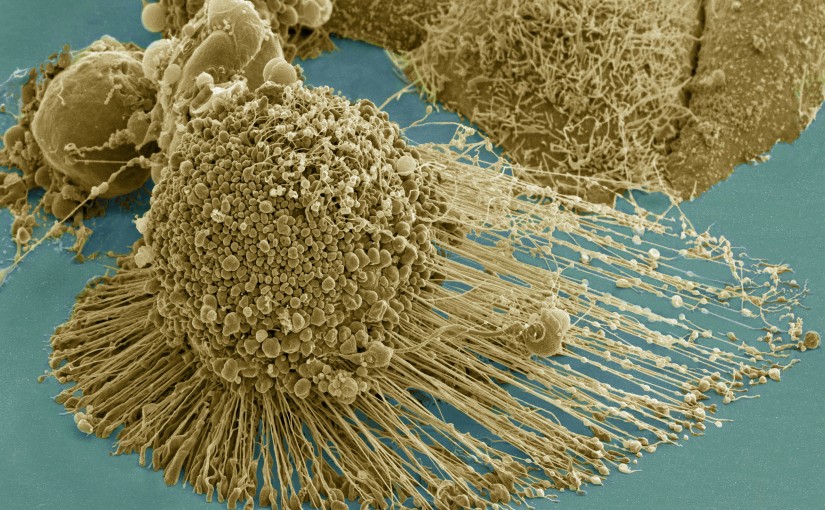
Where does aging start? There is something inside us that makes us frailer as we count more years – in the beginning we will feel more tired, afterwards we may see our first wrinkles and our graying hair. What’s going on? Where does this time bomb start? Which is the first to age: the body…… Continue reading How to engineer negligible senescence in humans – part V ApoptoSENS
How to engineer negligible senescence in humans – part IV GlycoSENS

Have you ever started from one of these: and obtained these? This is exactly what happens in our bodies as we age, the only difference being that it takes place in decades instead of hours. Chemically it is called the Maillard reaction. What are extracellular crosslinks and how do they form? We burn slowly and…… Continue reading How to engineer negligible senescence in humans – part IV GlycoSENS