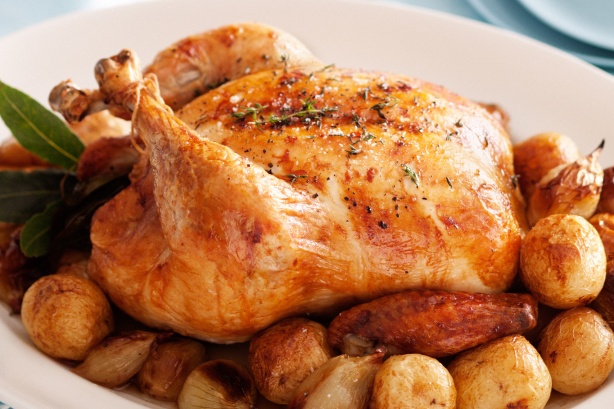
Have you ever started from one of these:
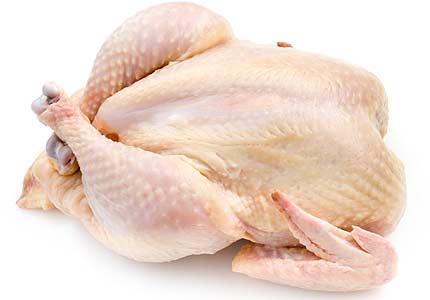

and obtained these?


This is exactly what happens in our bodies as we age, the only difference being that it takes place in decades instead of hours.
Chemically it is called the Maillard reaction.
What are extracellular crosslinks and how do they form?
We burn slowly and as we burn, many of our proteins get crosslinked with sugars forming Advanced Glycation End-products (AGEs).
Proteins can crosslink not only with sugars, but with triglycerides as well. It’s great that both fasting blood sugar and triglycerides are monitored during the annual blood test, but monitoring them is not enough. Proteins get crosslinked and we need them back to their previous functional level.
These extracellular crosslinks stiffen us as we age – our arteries are less able to react to blood pressure variations, so we develop (mostly) systolic blood pressure.
Our crystalline lenses are less able to adapt to variations in distance, so we read less efficiently and by mid 50s almost all of us need glasses.
What can we do about reversing them?
GlycoSENS proposes as possible solutions:
1. enzymes – rather than drugs – that could cut into these links
2. disposable proteins similar to DNA repair ones
How can we test this strategy in humans?
We are built of several proteins, most of which can become crosslinked in certain diseases and age stages.
During physiological states, the hemoglobin protein is largely non-glycated; because of this, we measure the percent of glycated hemoglobin (HbA1c) to measure the degree of blood glucose level in the past 3 months prior to testing. Currently, this test is paid by the insurance companies for diabetic persons only. Since diabetes is characterized by a larger-than-normal average blood sugar level, we can reasonably expect to find higher-than-normal HbA1c percent levels.
Diabetes is a classical model of accelerated aging. Let’s see which are its main complications and you’ll recognize many typical geriatric diseases:
-cataracts
-macular degeneration
-diabetic retinopathy
-diabetic neuropathy
-kidney failure
-heart failure
-atherosclerosis, silent heart attacks, systolic blood pressure
Diabetology as a medical specialty is one where prevention – whether primary, secondary or tertiary – is the key to manage diabetes; once the patient shows clinical signs of AGE deposits, there is nothing that can be done anymore!
Since diabetes produces no pain and largely no symptoms in the earlier phases, many patients don’t understand the importance of medical treatment. They tend to view diabetes as a medicalization problem.
GlycoSENS would find end-stage diabetes as its first main target to revert – I have seen several such patients and it’s painful to tell them nothing else can be done. If these kind of solutions would be able to at least partially revert such crosslinks that would be a major hit – both financially and humanitarian as well.
Conclusion
Until we are be able to cut these crosslinks and become flexible again – or turn a baked chick into a raw and youthful one like in the images above reverse-style, here is an interesting paper where foods are classified according to the quantity of glycation products they contain.
Stick to raw vegetarian dishes, cook using moisture when you need to and avoid dry cooking at high temperatures – your proteins will still crosslink as you’ll age, but at a much slower rate! Removing these crosslinks once formed would be great, but medical research on humans costs – unfortunately quite a lot – in terms of money, time and commitment.
So this is the plan for GlycoSENS, but that’s not all that needs to be done. Not only our whole bodies age, but particular cells display senescence signs while the body is unable to remove them so that other healthy cells are not affected by them in the first place– more about it in the next part!
Bibliography:
“Ending aging” by Aubrey de Grey (link)
Anca Ioviţă is the author of Eat Less Live Longer: Your Practical Guide to Calorie Restriction with Optimal Nutrition available on Amazon and several other places. If you enjoyed this article, don’t forget to sign up to receive updates on her second book regarding a comparative biography of aging from the simplest to the most complex organisms known.


7 comments