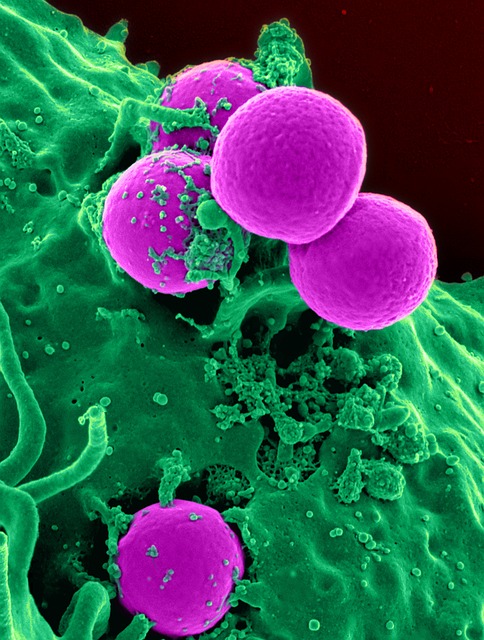
The genes that you and I have from cradle to grave are mostly the same. But we certainly look and feel different at each stage of life. And we heal differently given the same type of injury. While the first and second term human fetus is likely to undergo surgery without any consequent scars, as…… Continue reading The regeneration gap between the young and the old and the two cell types responsible for it
Tag: senescence
Are cell membranes the pacemakers of metabolism?
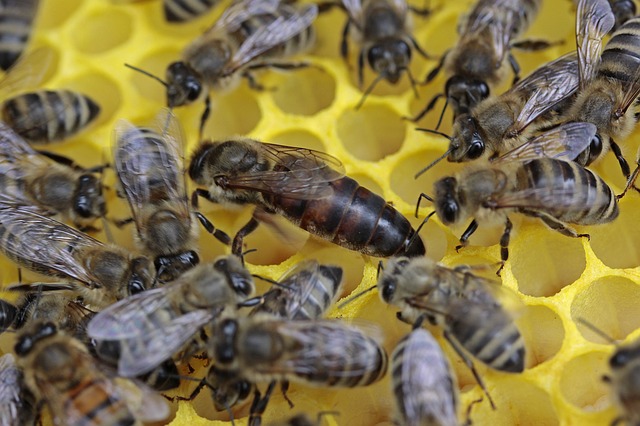
One of the earliest observations in gerontology was the correlation of increased size with a longer lifespan. Presumably, being large makes one less prone to predators and allows better coping to starvation thereby decreasing your extrinsic mortality rate. At the same time, metabolic rate decreases when size increases and this could lower the extent of…… Continue reading Are cell membranes the pacemakers of metabolism?
10 tips for practicing the anti-inflammatory diet

Inflammation and aging go hand in hand as inflammation markers – especially the ESR (erythrocyte sedimentation rate) – slowly increase with each decade. Many age-related diseases have inflammation as their common denominator and this is partially modulated by diet, so here are 10 easy tips to avoid the buildup of damaging inflammation products as much…… Continue reading 10 tips for practicing the anti-inflammatory diet
The 5 common traits of negligibly senescent species
By studying the processes which give these negligibly senescent creatures longer lifespans, there is the possibility that they could be recreated in humans in order to extend our own. How negligible senescence is achieved by each individual species varies, but here are five of the most common traits. The article I just posted on Life…… Continue reading The 5 common traits of negligibly senescent species