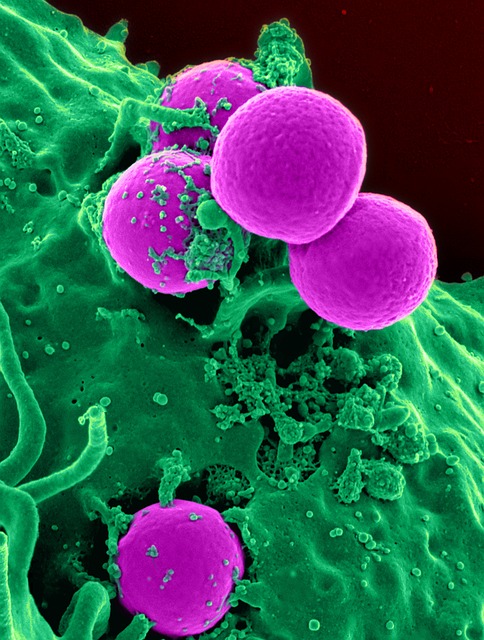
The genes that you and I have from cradle to grave are mostly the same. But we certainly look and feel different at each stage of life. And we heal differently given the same type of injury. While the first and second term human fetus is likely to undergo surgery without any consequent scars, as…… Continue reading The regeneration gap between the young and the old and the two cell types responsible for it
Author: Anca Ioviţă
Are cell membranes the pacemakers of metabolism?
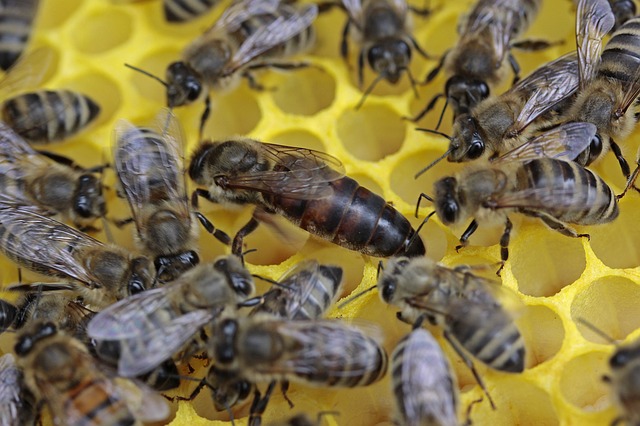
One of the earliest observations in gerontology was the correlation of increased size with a longer lifespan. Presumably, being large makes one less prone to predators and allows better coping to starvation thereby decreasing your extrinsic mortality rate. At the same time, metabolic rate decreases when size increases and this could lower the extent of…… Continue reading Are cell membranes the pacemakers of metabolism?
The 8 frequently asked questions on telomerase and aging
Ever since the cellular clock called telomerase was discovered, it was hailed as the next big thing in anti-aging research. And the science world has been divided in two. One side evoked unlimited cell regeneration that might make degenerative diseases a memory of the past. The other side cautioned us that cancer cells unlock telomerase…… Continue reading The 8 frequently asked questions on telomerase and aging
3 simple things you must do to stop the aging clock

The dose makes the poison. In large doses, a stressor can kill you. In low doses, it can make you stronger. The specific adaptation that a cell derives from being exposed to a low dose of some stressor is called hormesis. And this concept is central to understanding aging. Because if cells – for whatever…… Continue reading 3 simple things you must do to stop the aging clock