During the past 6 months I took the habit of researching the existing academic literature on species which seem to defy the wear and tear we humans experience as we age. I tried to find common patterns, common development pathways or common environments.
I am still not through with reading everything that has been published on the topic of negligible senescence or comparative gerontology. Many more research questions remain unanswered at the moment.Yet some progress has been made.
As a general classification species display three types of senescence:
– positive senescence – the individuals of a species develop wear and tear signs as time passes by, their mortality increasing and their fertility decreasing
–negligible senescence – aging signs are apparently lacking and the older individuals have the same probability of dying as the younger ones, while fertility remains the same
–negative senescence – such individuals enjoy a diminished probability of dying as they grow older, while their fertility increases. As an example here, it is very easy to die as a 1-day turtle, but once you reach the ocean and the size of an adult, the probability of dying is seriously diminished. Similarly, male lobsters enjoy greater fertility than younger ones.
Whether one species belongs for certain to one of these three senescence phenotypes remains to be checked and researched for most of them.
It took a long time until the second and third patterns of senescence were accepted by the senior gerontology community. The status quo was that we were all destined to age no matter our genetic heritage.
Yet as Dr. Aubrey de Grey mentioned in the book “Ending Aging”: “evolution only designs your body to last as long as your environmental niche will allow it to last.”
Since it is in the interest of living beings to reproduce as much as their bodies and the surrounding environment will support, it is automatically in their interest to survive as much as possible. An organism does the best it can under the constraints of predators, insufficient resources and the desire to spread its genes in offspring that will survive too! As an example, if an animal is predated upon during its mid-life it makes no sense to divert unnecessary resources from reproduction towards better DNA repair genes that may never get the chance to be used. But if the environment improves and animals reproduce at later stages in life, improving maintenance is a sure bet.
When the environment is scarce in resources, species inhabiting it have two solutions:
1. either reach maturity as fast as possible and then produce the maximum number of possible offspring
2. or depress the metabolism so much until the environment stressor will go away
The first strategy is used by very short-lifespan species, like mice for example.
The second one is commonly used by species which escape senescence: the Arctica islandica clam, several species of turtles (Chrysemys picta, Emydoidea blandingii and Terrapene carolina) as well as the olm or the white salamander (Proteus anguinus). The ability to undergo dormancy allows such species “to sleep on their problems”.
In the struggle for life, many species combine a decreased metabolism of their own bodies with storing supplies in remote locations for better days to come – squirrels hibernate AND bury nuts; if they wouldn’t do these, their lifespan would be much, much shorter (although they still undergo aging wear and tear!).
So depressing their metabolism in different forms of dormancy (hibernation, estivation, diapause and many others) is one way through which these species buy themselves some time during which aging doesn’t seem to take place.
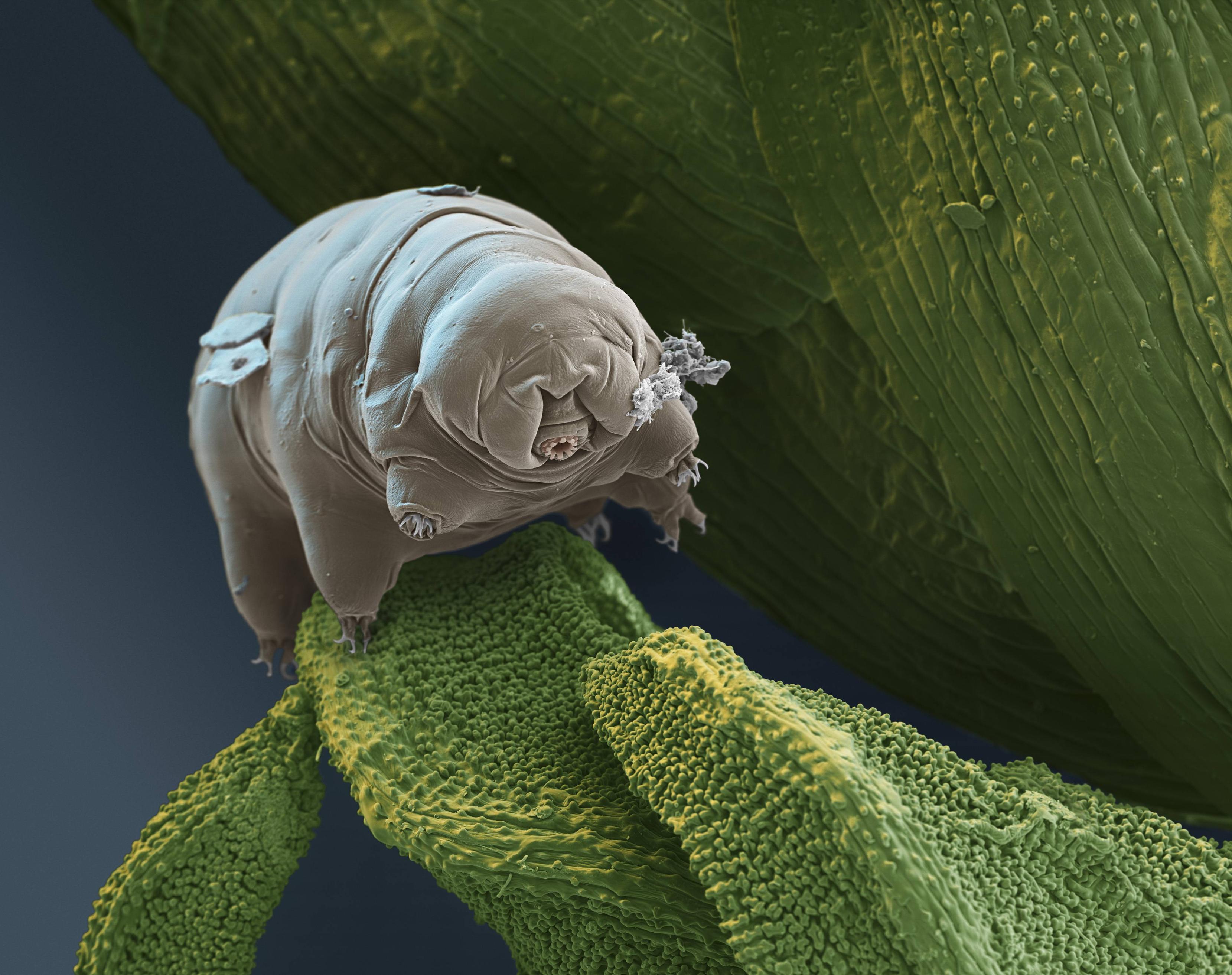
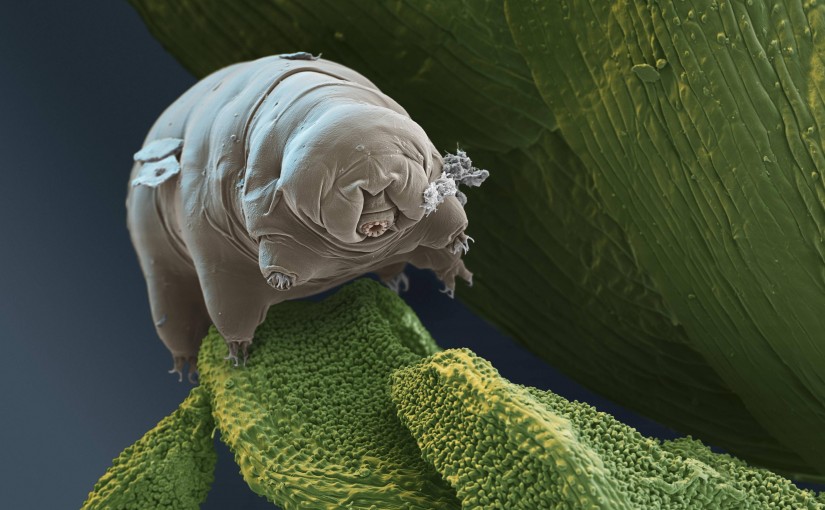
For a great scientific paper detailing the physiological mechanisms of dormancy in Tardigrades – the champion organism resisting most extreme environments including space void! – check this link here.
For a second strategy in escaping senescence look for the next part in this series by subscribing to this blog – don’t forget to check your email!




“I am still not through with reading everything that has been published on the topic of negligible senescence or comparative gerontology.”
Do you think you will ever be through with that? Taking into account that the rate of publication of new articles in this field (as in most others) increases exponentially.