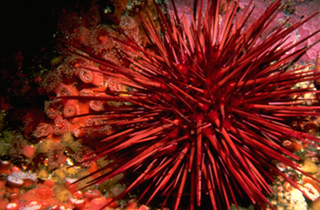
During the previous post I mentioned dormancy as one of the strategies some species display to escape senescence. Are there any more common patterns? What do these individuals do differently from us? Can we learn something from them, even apply some of their wisdom to escape senescence too?
During the periods when species undergo depressed metabolism specific aging wear and tear can’t take place. Their probability to die reaches a plateau and stays there until the ultimate final part of their lives. In comparison, we start displaying senescence signs during middle-age – long before we show any serious frailty. Our mortality plateau increases every 7-8 years and we become more and more frail as we age. If we signed for any life insurance contract, then our premiums also increase every 7-8 years, since our risk to die increases and so does the risk of the insurance company to roll out cash on our part.

Now apart from making use of suspended animation when it will be a routine clinical procedure, what else can we do to further medicine?
Let’s see what species displaying negligible senescence already do: apart from periodically slowing down their metabolism when conditions are harsh, several such species are potentially immortal because they don’t stop growing (I call them potentially immortal instead of simply immortal because these individuals still die of accidents and predators). They undergo modular growth, so they are able – under certain limits- to regenerate parts of their bodies.
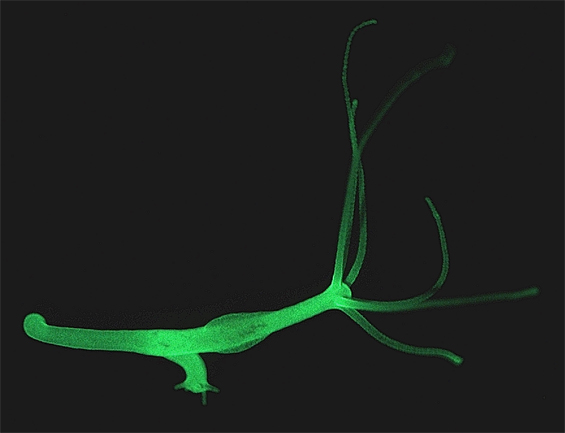
Such individuals are made of modules which are attached together, but if separated each unit can survive on its own and even multiply. There is no distinction between somatic and germ cells here. What is important to underlie though is that a modular growth individual is not the same thing as a colony!

For a better understanding of the modular growth in escaping senescence look for the next part in this series by subscribing to this blog – don’t forget to check your email!




6 comments