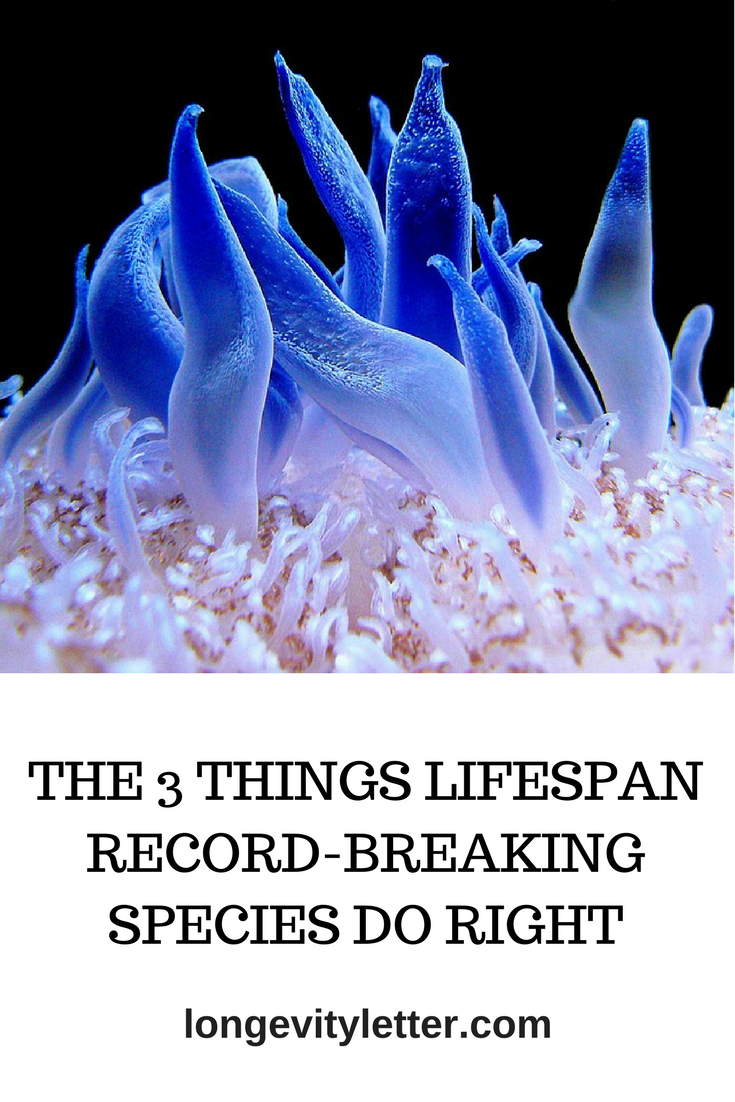
I am in my 30s as I type this. And the idea of celebrating my 100th birthday is unthinkable. Even unimaginable. After some clinical experience with the elderly, I don’t even know whether to feel happy or sad when another centenarian is pestered by curious and anxious people looking for their secret. Because being 100…… Continue reading The 3 things lifespan record-breaking species do right
Tag: comparative gerontology
How to avoid the adverse reactions of senolytics through better design

There is no coincidence that cancer is more frequent as we age. And it is also no coincidence that many anti-aging therapies destined for rejuvenation could allow unleashed growth to take place and cause cancer. Hence my interest in those species which despite an abundant capability to regenerate their damaged tissues, show no increased rate…… Continue reading How to avoid the adverse reactions of senolytics through better design
From bench to bedside – how to report on animal research for meaningful human clinical trials

Nature has already solved the problem of aging in species all around the world. While most of these species are long-lived trees, there are quite a lot of animals too. To be upfront, most of these animals are primitive, less complex than we humans are. But just like we replicated the technology of manufacturing penicillin…… Continue reading From bench to bedside – how to report on animal research for meaningful human clinical trials
How temperature switches aging on and off in hydra animals

The short story is this: you can place two species of hydra animals in the same environment at a temperature of 10 degrees Celsius. One will age (Hydra oligactis) and the other one won’t (Hydra vulgaris). Now here are the details. Hydras are primitive multicelullar animals. When well-fed, they reproduce asexually by budding. But when…… Continue reading How temperature switches aging on and off in hydra animals