
There is no coincidence that cancer is more frequent as we age. And it is also no coincidence that many anti-aging therapies destined for rejuvenation could allow unleashed growth to take place and cause cancer. Hence my interest in those species which despite an abundant capability to regenerate their damaged tissues, show no increased rate…… Continue reading How to avoid the adverse reactions of senolytics through better design
Tag: ending aging
How to engineer negligible senescence in humans – part V ApoptoSENS
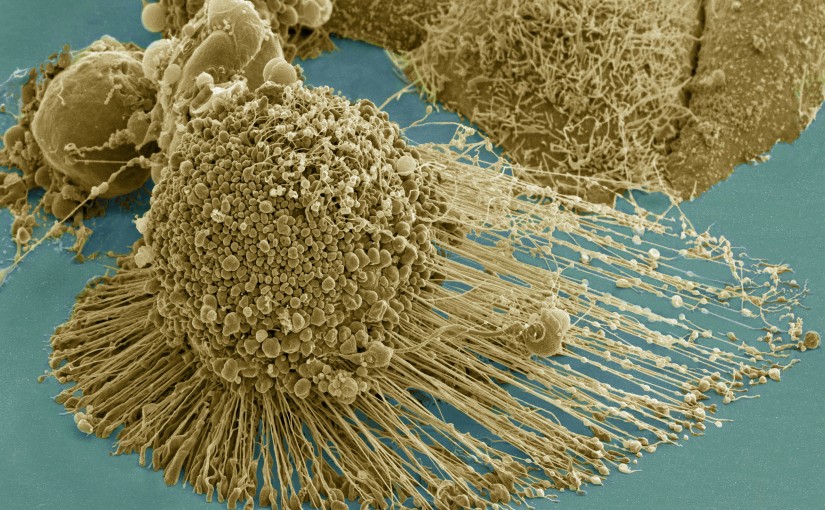
Where does aging start? There is something inside us that makes us frailer as we count more years – in the beginning we will feel more tired, afterwards we may see our first wrinkles and our graying hair. What’s going on? Where does this time bomb start? Which is the first to age: the body…… Continue reading How to engineer negligible senescence in humans – part V ApoptoSENS
How to engineer negligible senescence in humans – part III AmyloSENS
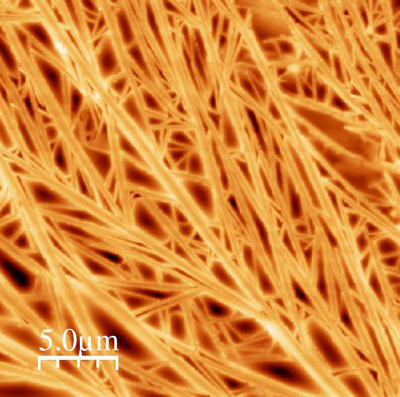
Whether aging is a real disease or not, many changes – both morphological and physiological – take place as we count more years on our birthday cake. After a previous discussion on the mitochondrial mutations – the powerhouses of our cells – and the degree of intracellular junk that accumulates each year, time has come…… Continue reading How to engineer negligible senescence in humans – part III AmyloSENS
How to engineer negligible senescence in humans – part I MitoSENS
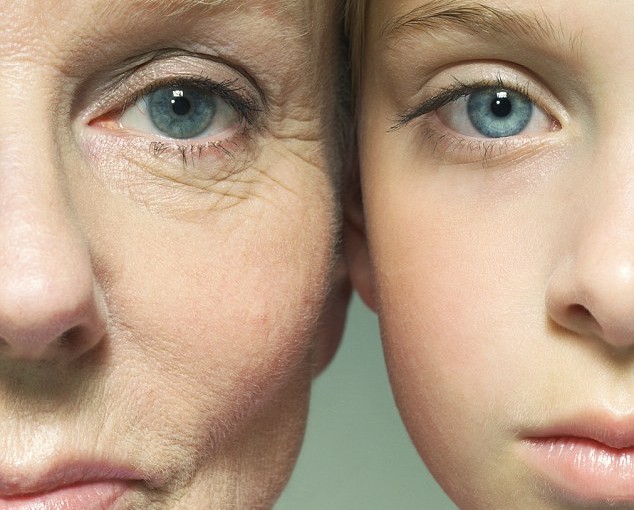
Many engineering graduates leave the field for alternative careers, but what they don’t leave is the confidence that any problem has a solution, even if it wasn’t found yet and even if one does not understand all the details. This is the reason for which one engineer changed gerontology – his name is Aubrey de…… Continue reading How to engineer negligible senescence in humans – part I MitoSENS