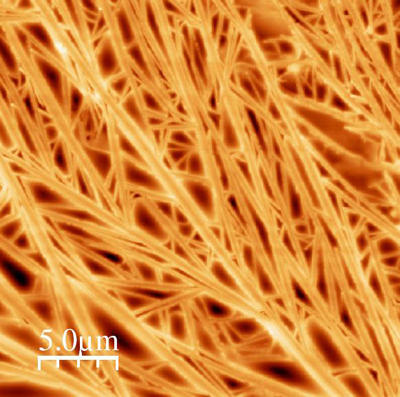
Whether aging is a real disease or not, many changes – both morphological and physiological – take place as we count more years on our birthday cake. After a previous discussion on the mitochondrial mutations – the powerhouses of our cells – and the degree of intracellular junk that accumulates each year, time has come…… Continue reading How to engineer negligible senescence in humans – part III AmyloSENS
Tag: gerontology
How to engineer negligible senescence in humans – part I MitoSENS

Many engineering graduates leave the field for alternative careers, but what they don’t leave is the confidence that any problem has a solution, even if it wasn’t found yet and even if one does not understand all the details. This is the reason for which one engineer changed gerontology – his name is Aubrey de…… Continue reading How to engineer negligible senescence in humans – part I MitoSENS
Why do some species escape senescence? part I

During the past 6 months I took the habit of researching the existing academic literature on species which seem to defy the wear and tear we humans experience as we age. I tried to find common patterns, common development pathways or common environments. I am still not through with reading everything that has been published…… Continue reading Why do some species escape senescence? part I
Who should fund science?

Does it even matter who funds science? It does if science is to remain a public good. Although noble and objective in theory, science is not created in a vacuum. Its birth is largely dependent on curious, hard-working and wealthy people. Now during history these roles became specialized. Whoever had the money didn’t necessarily had…… Continue reading Who should fund science?